
Have you had severe RSV and live a cardiovascular condition? We'd love to hear from you... Read more >
GHLF Australia advocacy in action
GHLF Australia advocacy in action
Learn about the work we’ve been doing behind the scenes to advocate for better access to the treatments you need.
by Rosemary Ainley, 27 October 2026
At GHLF Australia, we champion the voices of people living with chronic health conditions, their carers and communities, driving change through advocacy at the community, state and federal levels. We recently dialled up our advocacy efforts, helping make health barriers visible to the people who can change them.
BMS Patient & Parliament Summit 2026
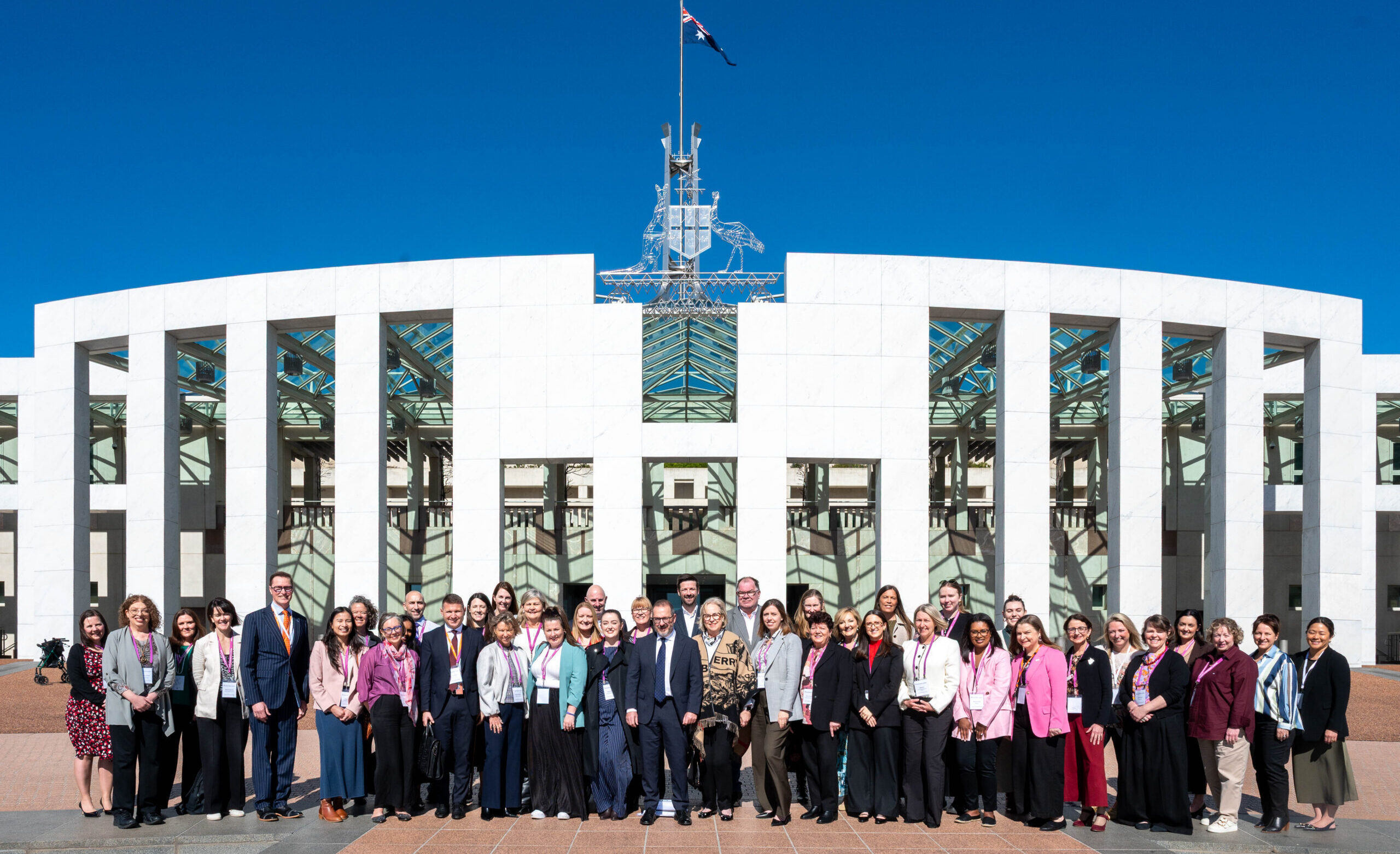
Early in September, over 40 patients, patient organisations, and policymakers gathered in Canberra for the 5th Annual Patient & Parliament Summit, supported by Bristol Myers Squibb (BMS) Australia. Rosemary Ainley (our Advocacy Manager) and Melinda Barrett (our guest and Lupus Voice Australia Vice Chair) were proud to participate as representatives of our communities.
This year’s Summit took place against the backdrop of an intensifying national debate on medicines access and growing concerns that Australia’s healthcare policies are not keeping pace with scientific advances, delaying patient access to innovative therapies.
Patient organisations don’t just believe medicines are arriving later. They are already seeing patients delay treatment, drain savings and miss out on care. They are issuing a stark warning: access delays today are laying the foundations for tomorrow’s inequity.
At the Welcome Dinner, guest speaker Paul Sakkal, Chief Political Correspondent at The Age and Sydney Morning Herald, shared his views on Canberra’s political mood and what it means for health policy.
All guests of the patient organisations attending the Summit had the opportunity to meet their local MP. Melinda was delighted to meet Mary Aldred, the Federal Member for the electorate of Monash. Melinda shared her long health journey with multiple chronic conditions. Ms Aldred was especially grateful to Melinda for highlighting her challenges in accessing a cardiologist in Gippsland, Victoria.

Top left: Mark Butler, Federal health minister talks with delegates, Top centre: Melinda Barrett (Vice Chair Lupus Voice Australia), Mary Aldred MP (Federal member for Monash), Rosemary Ainley, (Advocacy manager GHLF Australia). Top right: Melinda Barrett. Bottom left: Melinda Barrett and Rosemary Ainley meeting other delegates. Bottom right: MC Owen Smith, General Manager BMS Aus/NZ addresses the room.
Another highlight of the Summit was the Parliamentary luncheon and panel discussion, hosted by the Parliamentary Friends of Medicine and Medtech. The discussion theme was Australia’s Moment to Act: What Will It Take? We heard unique insights from panellists:
- Natasha Robinson — Health Editor, The Australian
- Katie Snell — National Policy Manager, MS Australia
- Jamie Snashall — Former Senior Advisor to the Hon Mark Butler MP Minister for Health, Aging, Disability and the NDIS.
We were especially interested to hear how factors such as advocacy by patient organisations, competing domestic interests for Government funds and medicines policies in other countries can influence which medicines Australia subsidises through the Pharmaceutical Benefits Scheme (PBS).
Between the Summit events, representatives and guests from different patient organisations met up and shared meaningful conversations. We believe these encounters are as valuable as the planned events, as they let us learn from each other and discuss ways to use our collective voices to improve our healthcare system.
Medicines Australia report launch
While in Canberra, Rosemary and Melinda were also honoured to attend the launch of Medicines Australia’s latest report, Access Unlocked: A new deal to bring the world’s most innovative medicines to Australians. This report examines the factors delaying, preventing and removing innovative medicines from PBS listing, and the serious impacts of this trend.
According to the report, successive Australian governments have systematically underinvested in innovative medicines. This problem has been growing for several years. This means Australia waits longer for, or misses out entirely on, medicines that offer significant social and economic benefits and are widely available in other countries.
The consequences are significant: poorer health outcomes, growing inequities in access to treatment, diminished economic productivity and greater strain on the wider health system.
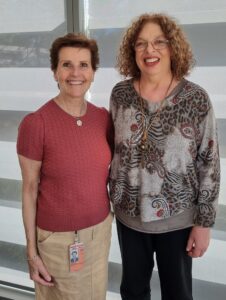
Elizabeth de Somer, CEO Medicines Australia with Rosemary Ainley, Advocacy Manager GHLF Australia
The report argues that a long-term strategy is needed, centred on three priorities:
- Doubling investment in innovative medicines as a proportion of GDP over 10 years.
- Ambitious reform for the medicines assessment and funding system both pre- and post-PBS listing.
- Strengthened accountability to ensure Australian patients get timely and internationally competitive levels of access to medicines.
The report proposes solutions to the health policy barriers that influence access to innovative medicines in Australia.
Negotiations for the next multi-year Strategic Agreement between the Australian Government and the pharmaceutical industry (represented by Medicines Australia) began in the second half of 2026. These negotiations run alongside other high-level reforms and initiatives underway to improve Australia’s healthcare system.
GHLF Australia will watch these developments closely and participate in related advocacy opportunities to ensure our community is represented.
Advocating for medicine access through the PBAC
Once medicines are approved for use in Australia, the Pharmaceutical Benefits Advisory Committee (PBAC) can consider them for subsidy through the PBS. The PBAC is an independent body of health professionals and consumer representatives appointed by the Australian Government.
The PBAC meets at least three times a year to consider applications for funding new medicines and vaccines. The committee considers a range of factors before deciding if it should recommend products to the Minister for Health for PBS listing, including:
- Submissions from patients and other members of the public about the importance of accessing new treatments
- The number of people likely to use the product.
- Evidence of its safety and efficacy.
- The overall cost to the health system.
- The expected benefits compared with existing treatments.
GHLF Australia reviews the agenda for each PBAC meeting and provides submissions on applications that directly affect the community we represent. In September 2026, we compiled three major submissions for items scheduled for consideration in the PBAC November 2026 meeting.
Consolidated access to adalimumab across conditions
This application called for a single consolidated listing of the 100 mg/mL forms and brands of adalimumab across all conditions in which it is used in Australia. Since its introduction to Australia in the early 2000s, adalimumab has become one of the most widely used biologic treatments for a range of inflammatory conditions.
As the list of PBS-subsidised indications for adalimumab has grown to include nine conditions, eligibility requirements have developed separately across indications and, in some cases, may not reflect current approaches to assessing disease activity. The application argued that the proposed changes would better align with current approved uses and clinical guideline recommendations for each condition.
Listing of nerandomilast for progressive pulmonary fibrosis (PPF)
Rheumatoid arthritis can affect more than the joints. For some people, it can also involve the lungs through rheumatoid arthritis-associated interstitial lung disease, or RA-ILD. A subgroup of people with RA-ILD can develop a progressive pulmonary fibrosis (PPF) phenotype.
For a person living with rheumatoid arthritis, the development of progressive lung fibrosis adds another serious and potentially life-limiting condition to an already complex chronic disease. Progression of pulmonary fibrosis is characterised by an irreversible decline in lung function and is associated with high morbidity and early mortality despite current standards of care.
Treatment options specifically indicated for people with PPF remain limited. For people who cannot tolerate or continue the existing treatment, a delay would prolong the period in which no alternative PBS-listed PPF-specific medicine is available.
This application called for listing a new medicine (nerandomilast) on the PBS to treat PPF.
Allowing nurse practitioners to prescribe secukinumab
Secukinumab is currently listed on the PBS for the treatment of moderate or severe forms of the following conditions:
- Chronic plaque psoriasis
- Psoriatic arthritis
- Ankylosing spondylitis
- Non-radiographic axial spondyloarthritis
- Hidradenitis suppurativa
Australia only has around 500 rheumatologists and 660 dermatologists, and most are in metropolitan areas. Access to secukinumab can be difficult because treatment requires specialist assessment, ongoing monitoring and PBS prescribing arrangements.
Currently, to be eligible for PBS access to secukinumab for the listed conditions, patients must be under the care of a relevant specialist.
Perhaps the biggest challenge patients face in accessing advanced treatment, such as secukinumab, is getting an appointment with their specialist to discuss progressing to, or securing ongoing access to such a treatment. Four major barriers make specialist appointment access difficult: the low number of specialists in the country, long wait times, the high cost of specialist appointments and the challenge of distance for those in regional and remote areas.
NPs are the most senior and experienced clinical nurses in the healthcare workforce. They can practice independently and collaboratively in an expanded clinical role. They collaborate with other nurses and healthcare professionals, such as GPs, specialists and allied health professionals. The main potential benefit of NP prescribing secukinumab is reducing a potential bottleneck between a patient being assessed as needing treatment and receiving it.
NPs can already prescribe apremilast and deucravacitinib for severe chronic plaque psoriasis and leflunomide for severe active rheumatoid arthritis and psoriatic arthritis. This PBAC submission argued that NPs may help address some of these access barriers and called for them to have authority to prescribe secukinumab.
You can read full versions of our PBAC and other submissions on our Advocacy page.
Contact us at [email protected] for more information about our advocacy work.
Become a GHLF Australia member
You’ll receive our exclusive newsletter full of facts and tips to help you live well with chronic illness and make informed decisions about your care. We’ll also send you updates on our activities, events and advocacy opportunities. For more information, see our Join us page.

Related Posts


This Post Has 0 Comments